Safety Instructions for Compressors

Wear hearing protection. Exposure to noise can cause hearing loss.

Do not use the compressor in rainy or wet conditions. If water enters the compressor, this may lead to a short circuit/electric shock.
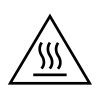
The surface of the compressor may become hot during use. Leave the compressor to cool down before touching it.
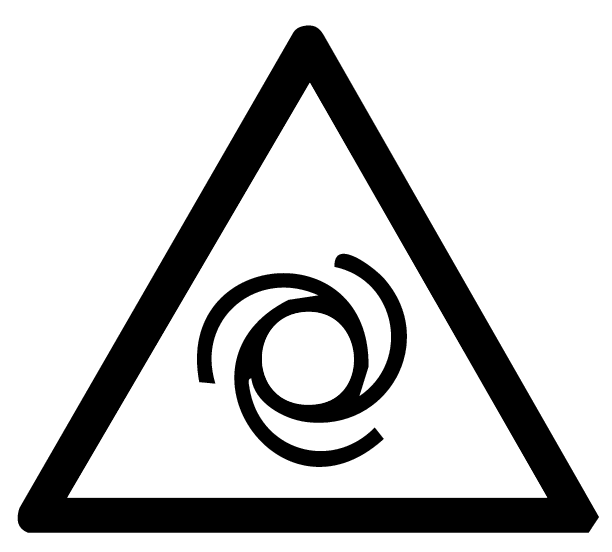
The compressor may start automatically without warning as soon as the pressure falls below the minimum level. Before carrying out maintenance work, remove the battery in order to prevent injuries.
- Securely hold the end of the air hose when removing the quick coupling. The air hose under the tank is pressurised. This prevents the air hose from flailing around in an uncontrolled manner and causing injuries.
- Secure feed hoses with a working pressure above 7 bar additionally with a safety cable or wire rope. This prevents the hose from accidentally disconnecting from the coupling, thereby avoiding injury to persons or other damage.
- Ensure safe transport of the compressor. If the compressor falls down, this may cause damage to the housing. This means that electrical safety is no longer guaranteed.
- Do not extract explosive, flammable or hazardous substances. Do not operate the compressor in areas subject to explosion hazards. The substances may ignite or explode.
- Where possible, do not use the compressor in dusty environments. If a dusty environment cannot be avoided, wear a dust mask. This enables you to protect yourself and your health.
- Do not direct the compressed air at other persons or animals. This will allow you to avoid injury.
- Do not modify, alter or tamper with the tank. The tank is under high pressure and you are compromising its integrity, which could result in explosions or serious injury.
- Regularly release any condensation that has formed from the pressure tank. This allows you to prevent the pressure tank from rusting and microbial pathogens from forming that may be hazardous to health.
- Do not transport or store the compressor while the pressure tank is still under pressure. Otherwise, compressed air may escape unintentionally, which could result in injury or damage.
- In case of damage and improper use of the battery, vapours may be emitted. The battery can set alight or explode. Ensure the area is well ventilated and seek medical attention should you experience any adverse effects. The vapours may irritate the respiratory system.
- Do not modify or open the battery. There is a risk of short-circuiting.
- The battery can be damaged by pointed objects such as nails or screwdrivers or by force applied externally. An internal short circuit may occur, causing the battery to burn, smoke, explode or overheat.
- Only use the battery in the manufacturer's products. This is the only way in which you can protect the battery against dangerous overload.
Protect the rechargeable battery against heat, e.g. including prolonged sun exposure, fire, water, and moisture. There is a risk of explosion and short circuit.